Welcome
Hotel in the Sacred Valley
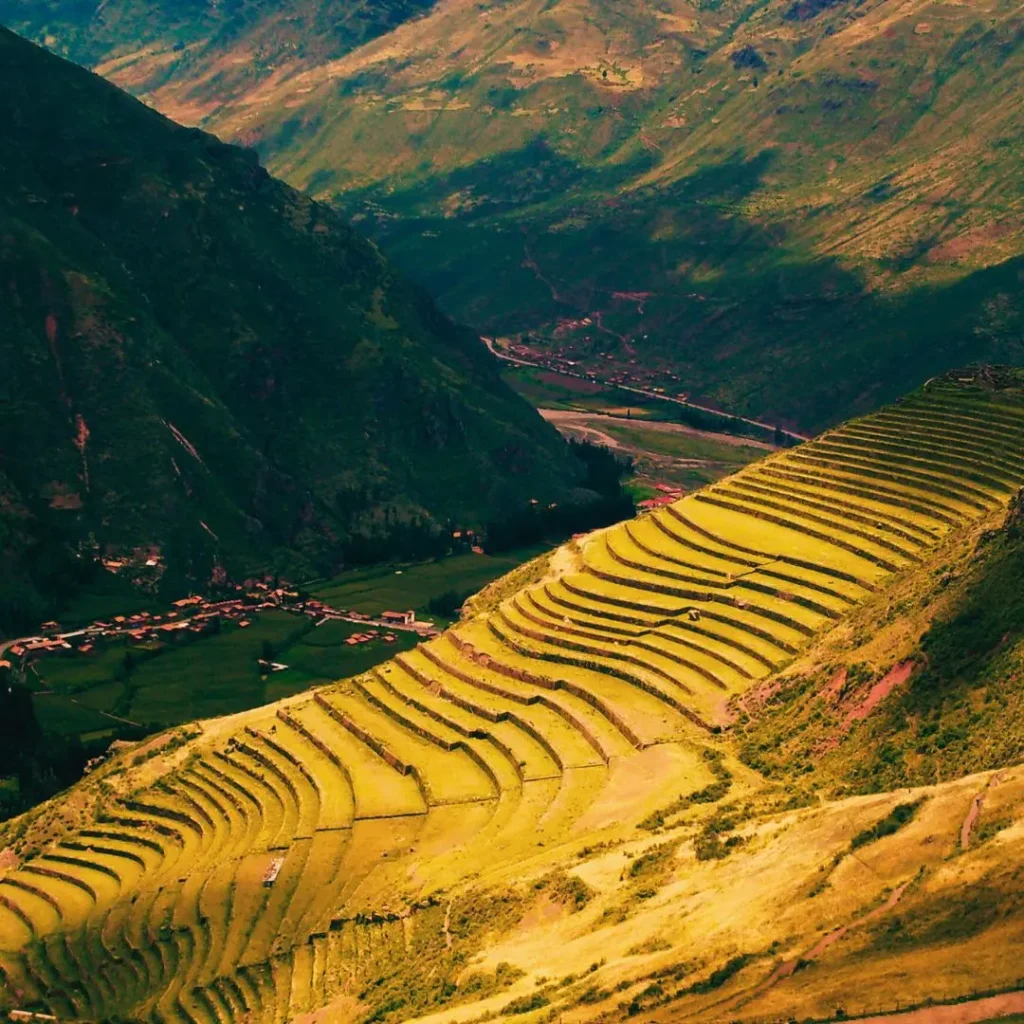
In the heart of Peru’s Sacred Valley — surrounded by mountains, ancient terraces, and the serene rhythm of Andean life — Tariq Sacred Valley is more than a place to stay; it’s an experience of connection, balance, and purpose.
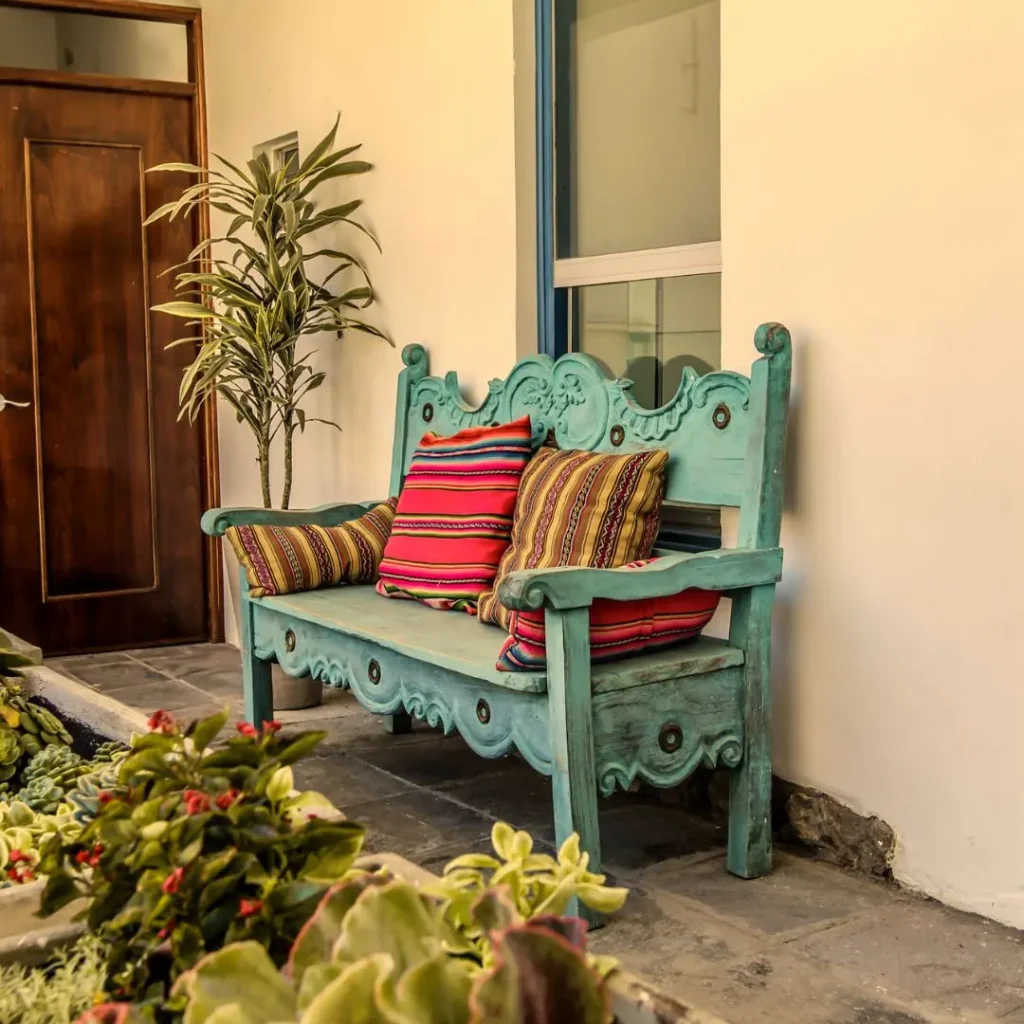
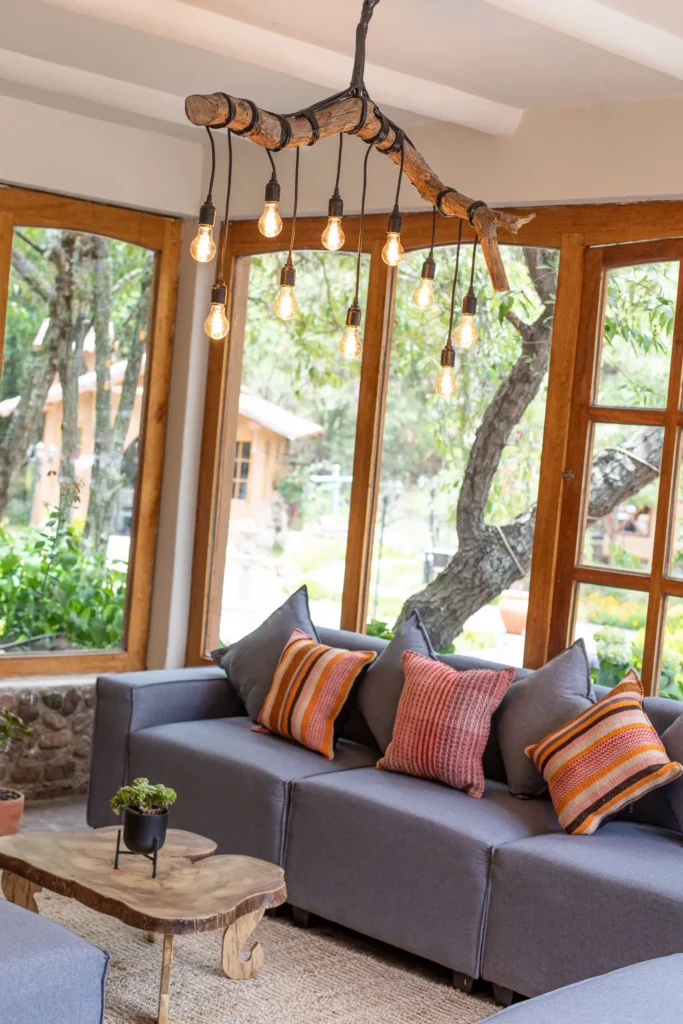
Designed as a living space that blends nature, culture, and comfort, the hotel invites guests to slow down and rediscover simplicity. Every corner reflects the soul of the Andes — warm materials, open gardens, and spaces that inspire creativity and peace.
Here, sustainability and well-being go hand in hand, creating an atmosphere that feels both grounding and transformative.
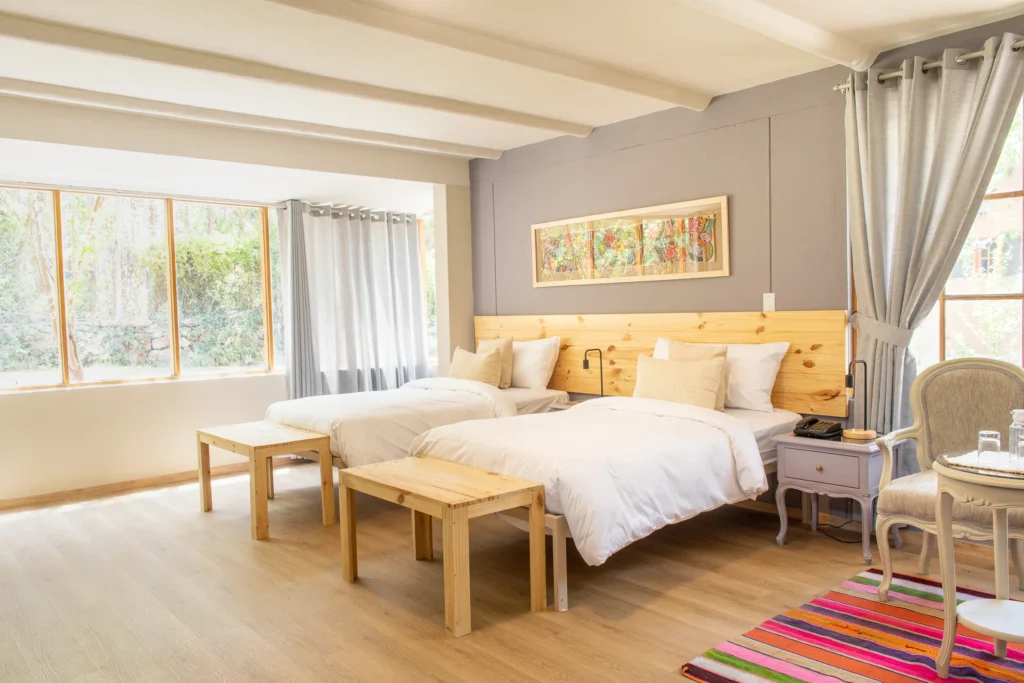
Our Rooms



Our location
Tariq is located in Urubamba, the heart and most strategic point of Peru’s Sacred Valley. Surrounded by mountains, rivers, and traditional farmlands, it offers the perfect balance between authenticity, comfort, and accessibility.
From here, guests can easily explore the main highlights of the valley — from the markets of Pisac to the Inca ruins of Ollantaytambo — and still enjoy a peaceful atmosphere away from the crowds.
Urubamba lies halfway between Cusco and Machu Picchu, making it an ideal base for travelers who wish to immerse themselves in the Andean landscape while staying close to the region’s cultural and natural treasures.
Urubamba lies halfway between Cusco and Machu Picchu, making it an ideal base for travelers who wish to immerse themselves in the Andean landscape while staying close to the region’s cultural and natural treasures.
Encounters that transform
At Tariq, these are not just activities — they are meaningful pauses that awaken. Each experience invites you to see differently, to connect deeply, and to leave something positive behind.
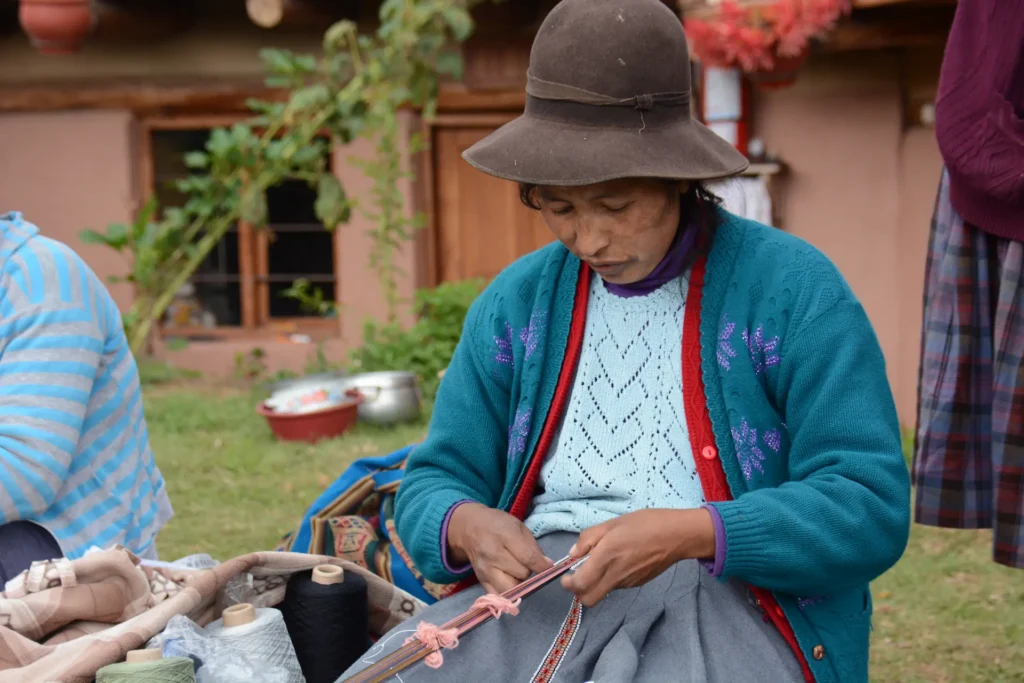
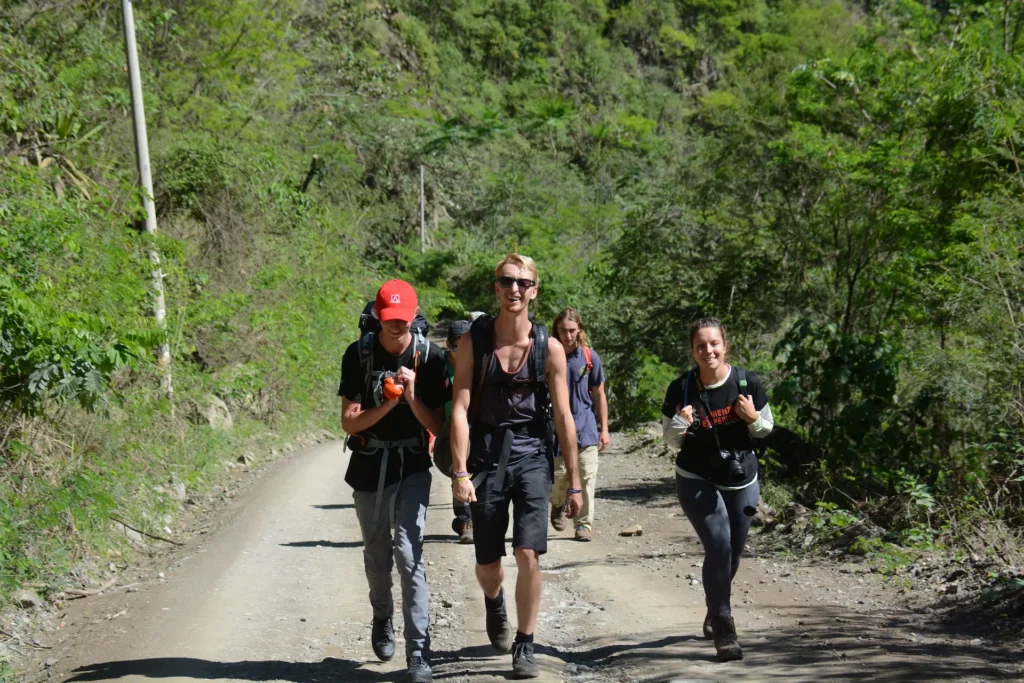
Guests can take part in ceramic, weaving, or chocolate-making workshops in our former chapel-turned-atelier; enjoy hikes or share communal dinners and cooking classes that celebrate Andean flavors.
Guided by our philosophy of regenerative travel, every stay contributes to the well-being of the valley through zero-waste practices, local sourcing, fair wages, and biodiversity restoration.