Cusco
Travel Guide
Introduction to Cusco
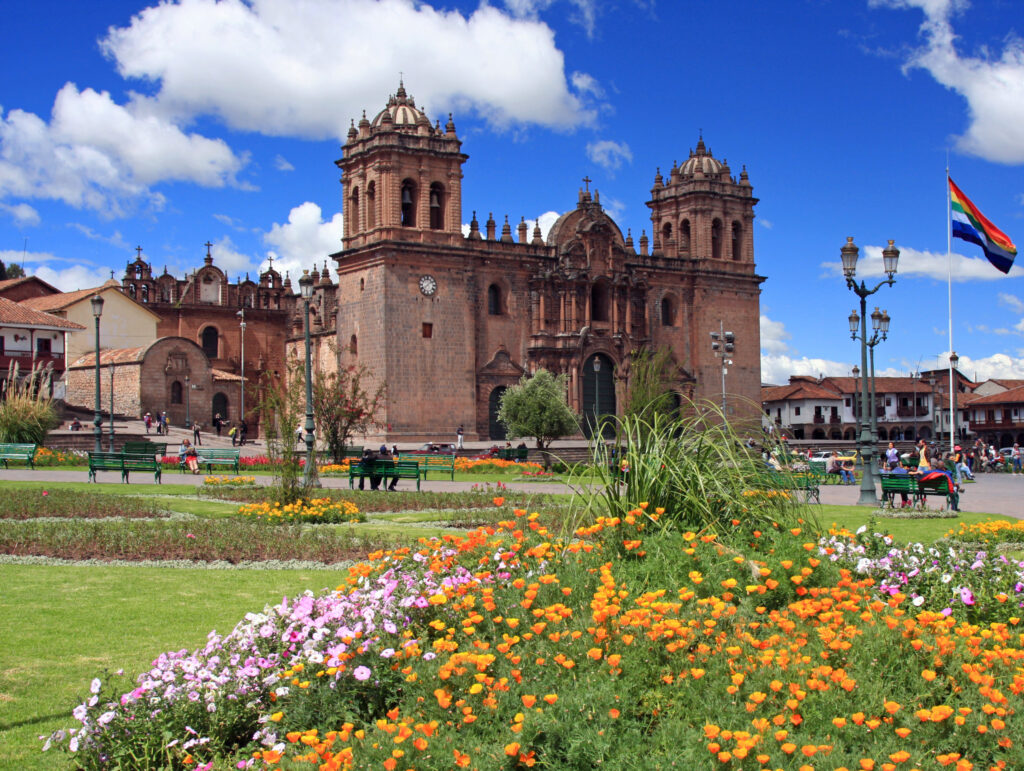
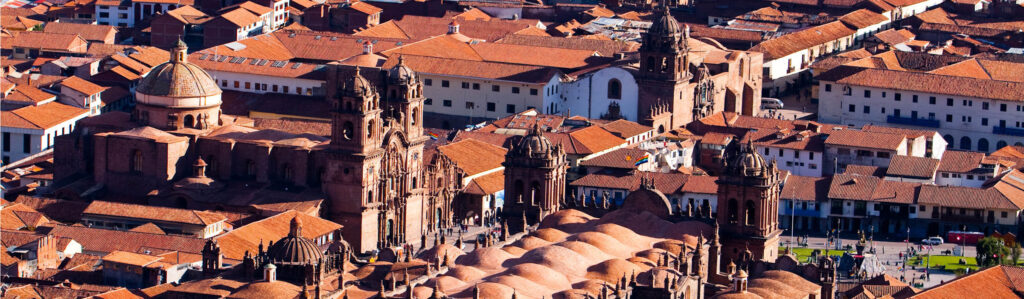
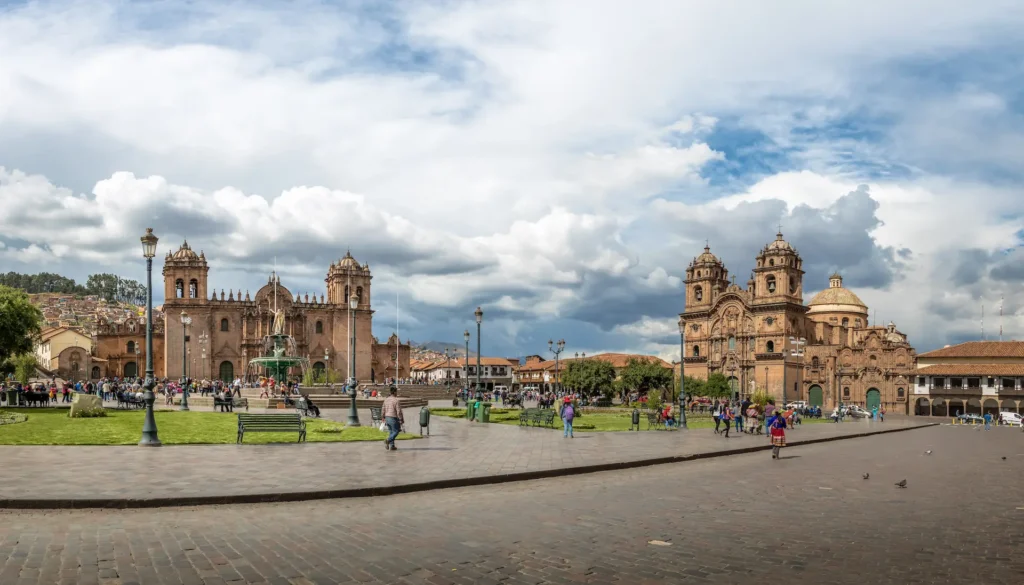
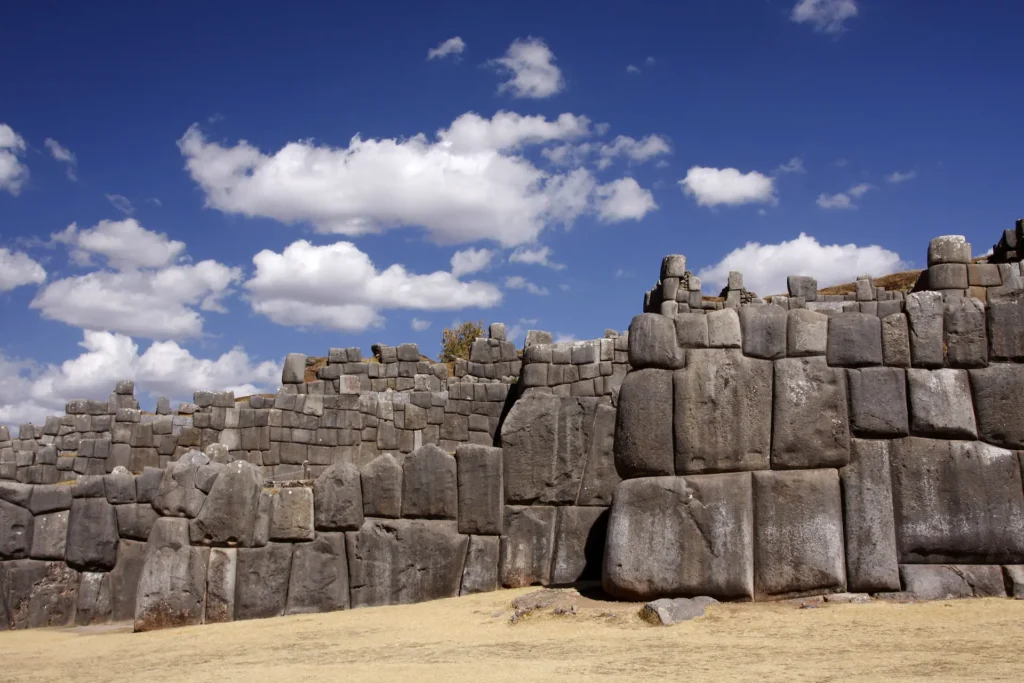
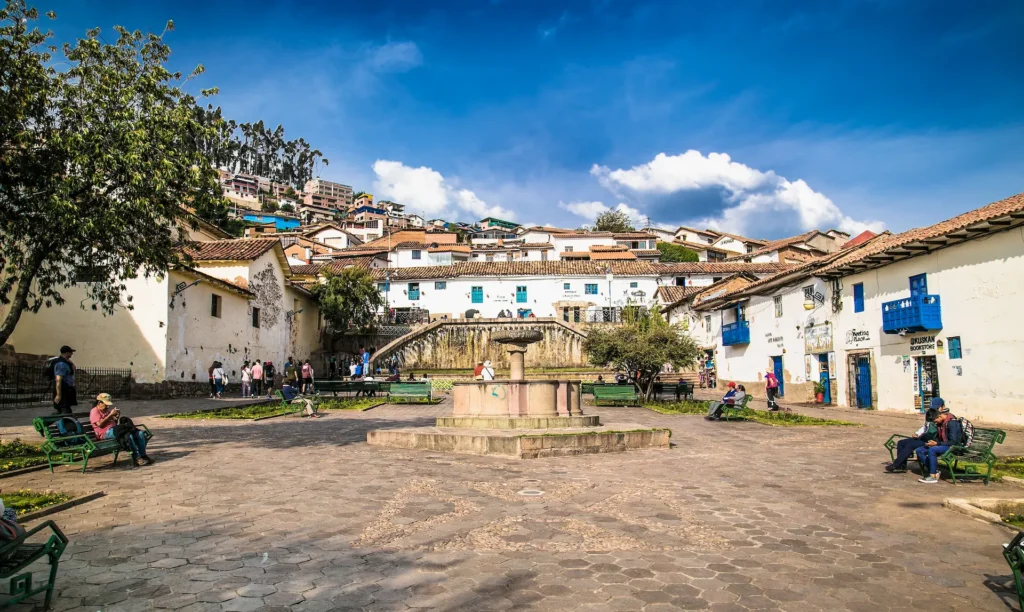
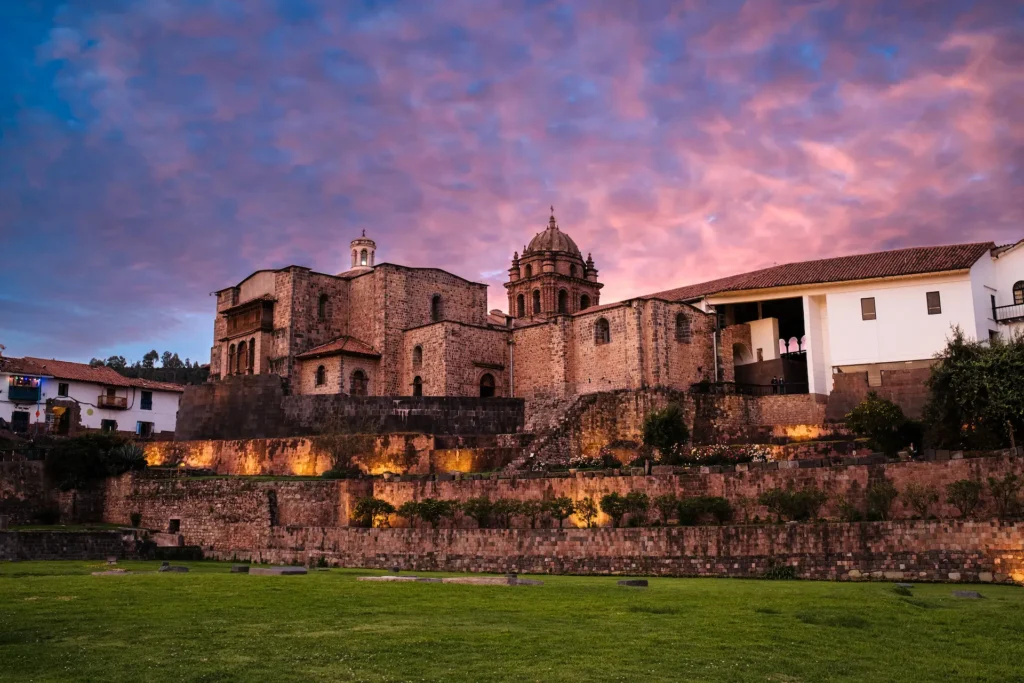
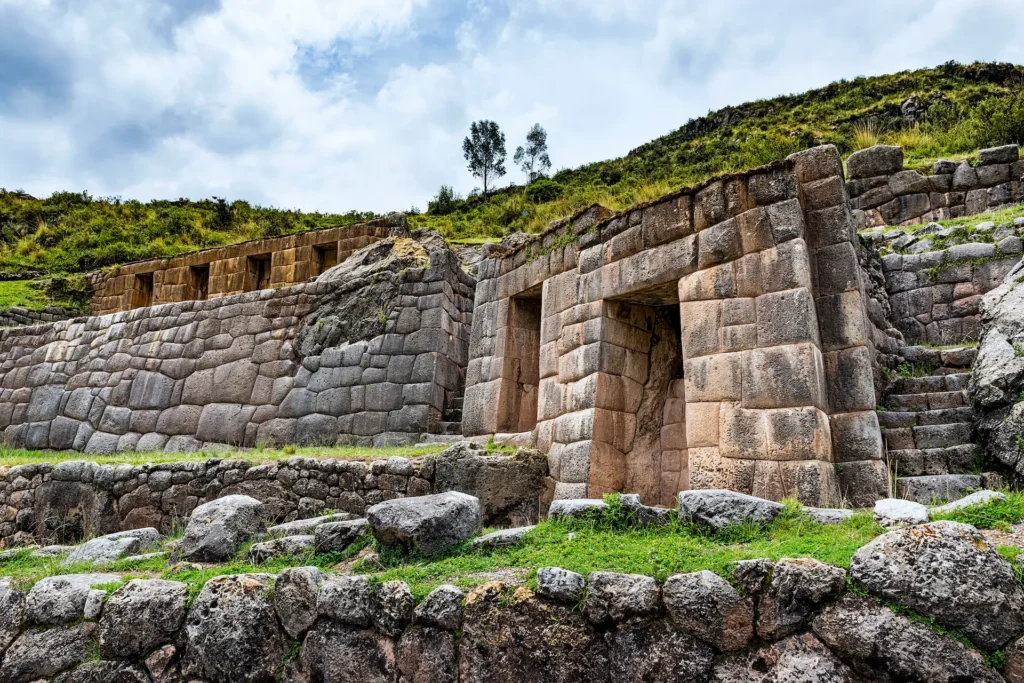
The puma shaped “Navel of the World,” as its proud inhabitants know it, was the center of the Inca universe. When the Spanish arrived, they literally tried to squash the city, constructing extravagant colonial buildings on top of central Inca sites. This has left an interesting mix of architecture, with bits of Inca wall blending with elaborate churches and red tiled roofs. We think you will agree when we say that Cusco city center is truly beautiful.
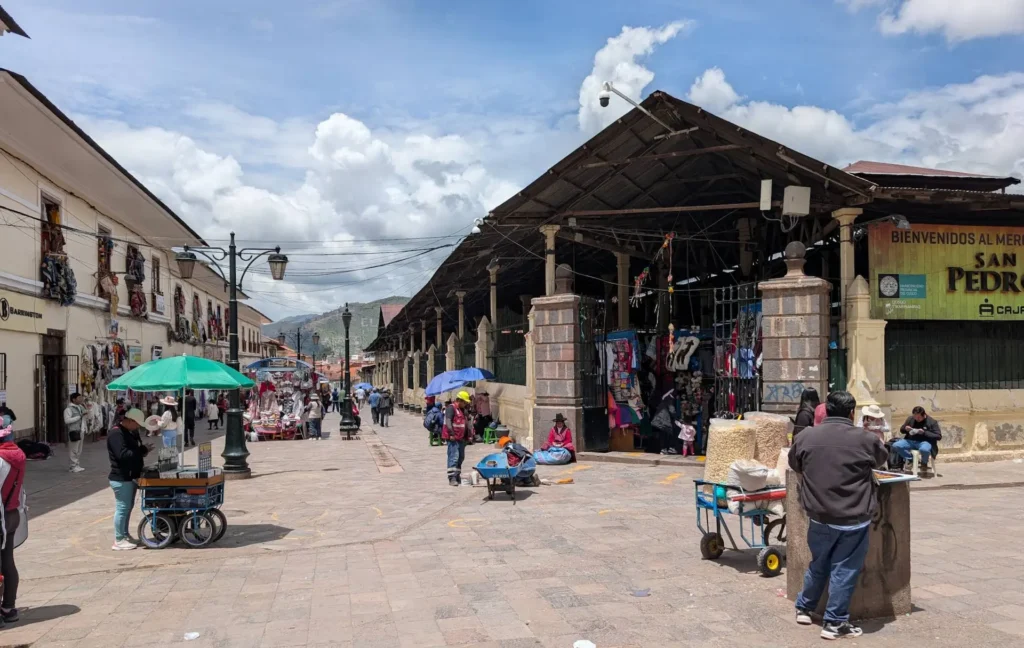
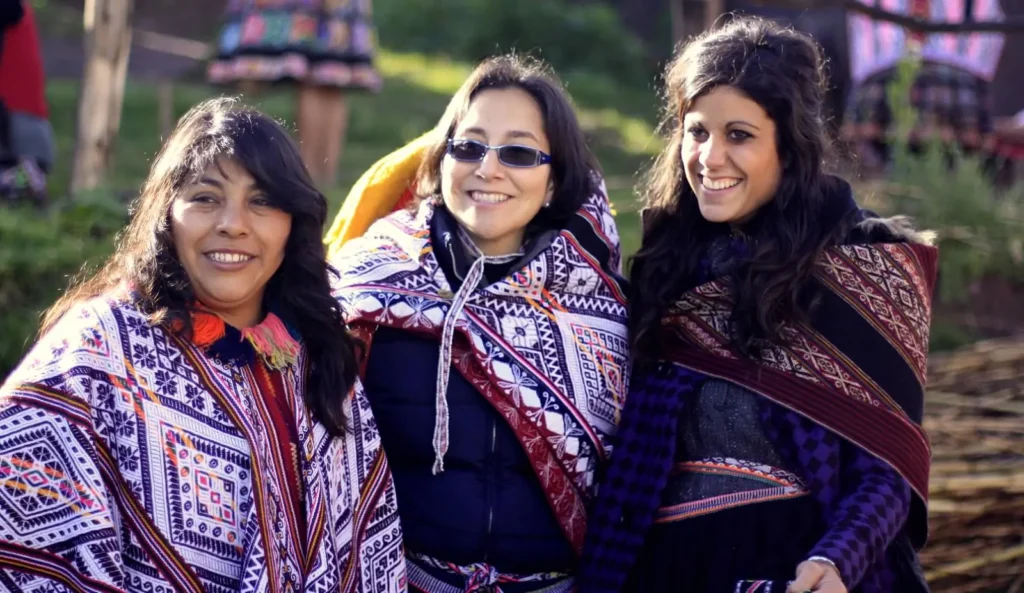
Modern day Cusco is still a mix of cultures. It has become a cosmopolitan hub for travelers who coexist with the local population. You can eat food from almost all over the world and speak to people from endless varying nationalities in one of the many bars on offer in Cusco’s vibrant nightlife. Or, you can try any range of holistic therapies and ecological ventures just as easily as you can see people from local Andean communities – such as the colorfully dressed queros – going about their business.
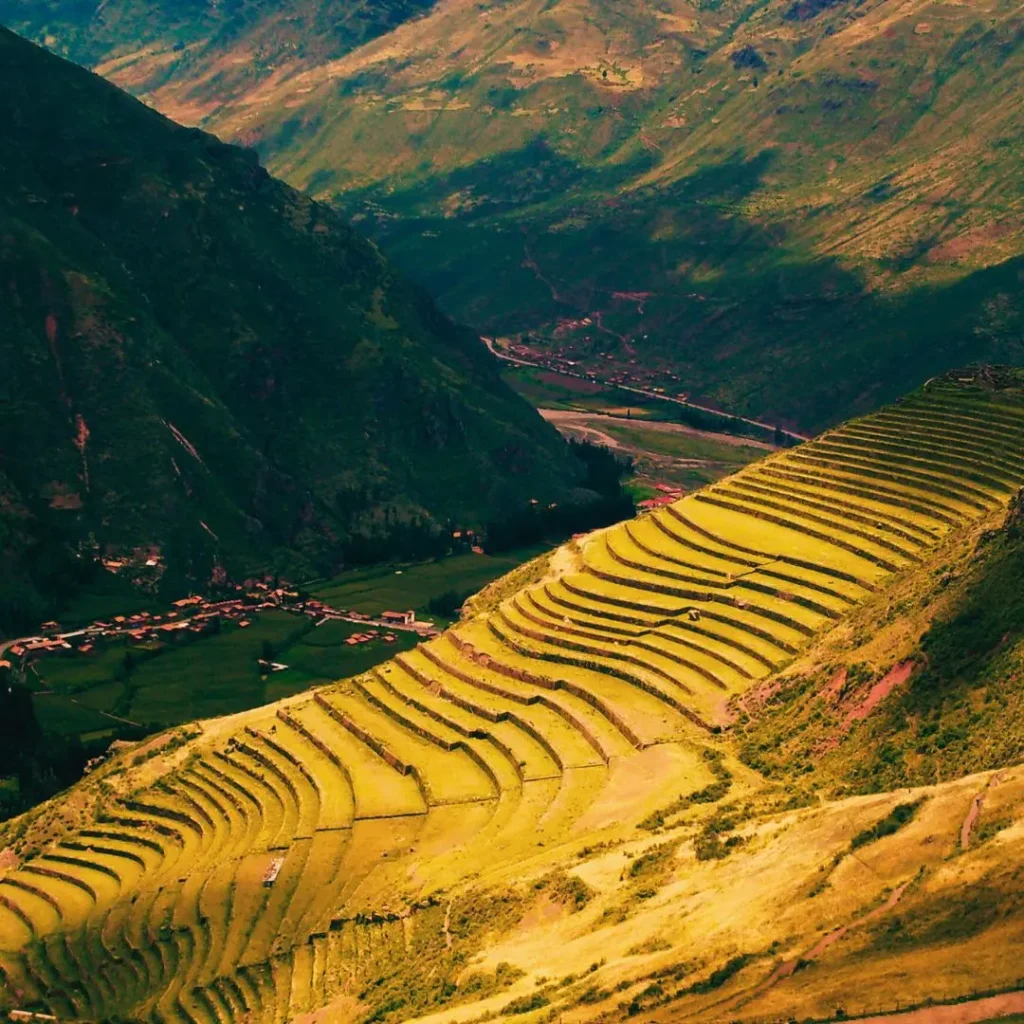
Cusco is the best base for a trip into the surrounding Sacred Valley, to the less visited ruins and the brightly painted churches of the southern valley en route to Puno, crop circles and Inca salt pans…the list of unforgettable experiences goes on. There is truly a wealth of culture on offer here! And then of course there’s Machu Picchu itself…but we’ve given that a whole different section in our Cusco Peru guide!
What not to miss in Cusco
What you need to know
When to go
Cusco can be visited all year round; however the best time is between May and October. Its altitude gives it sun during the day and cold temperatures at night. Rainy season is between November and March. The driest time of the year is between June and August, but this is also peak tourist season as it coincides with summer holidays in the northern hemisphere.
How to get there
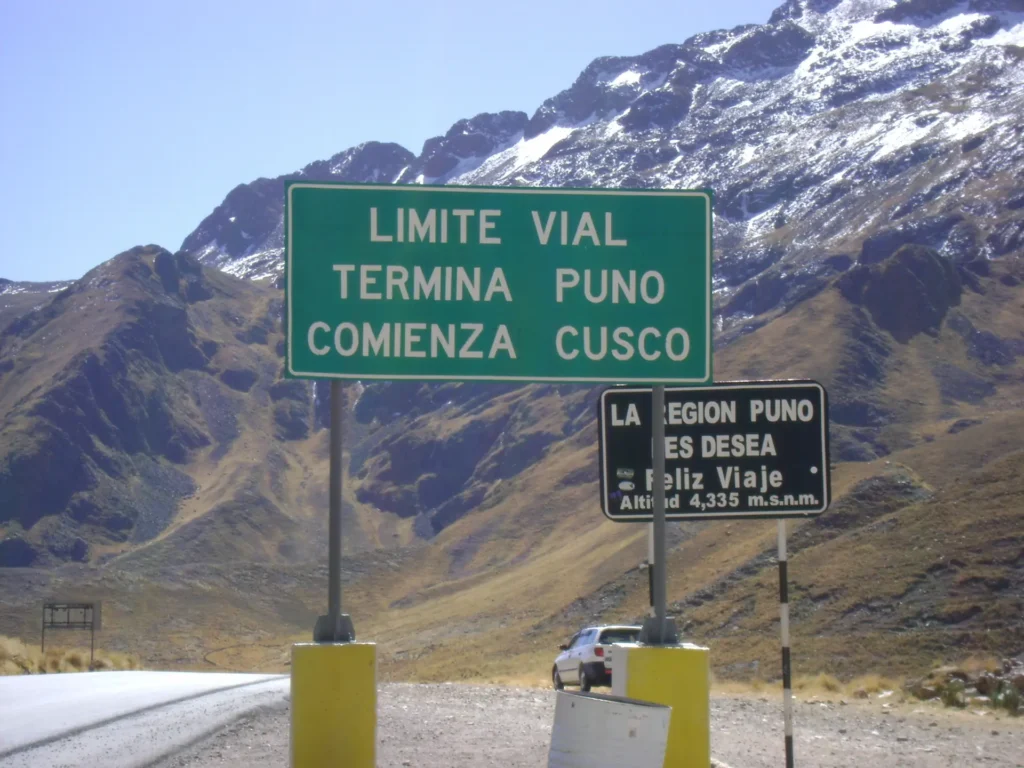
Cusco is accessible by airplane from Lima, Puno, Arequipa, Puerto Maldonado, and La Paz (although flights from Bolivia only run twice a week). There are over 15 flights from Lima to Cusco a day. Flights are safe although one should be cautious of the sudden altitude change which can bring about brief periods of altitude sickness.
Travelers can also reach Cusco by train from Puno and the scenic trip is comfortable and highly recommended.
Cusco can also be reached by bus from a number of destinations in and around Peru.
Los viajeros también pueden llegar a Cusco por tren desde Puno, este viaje por hermosos paisajes es muy comfortable y altamente recomendado.
También se puede llehar en bus desde varios destinos en y alrededor de Perú.
Where to Stay
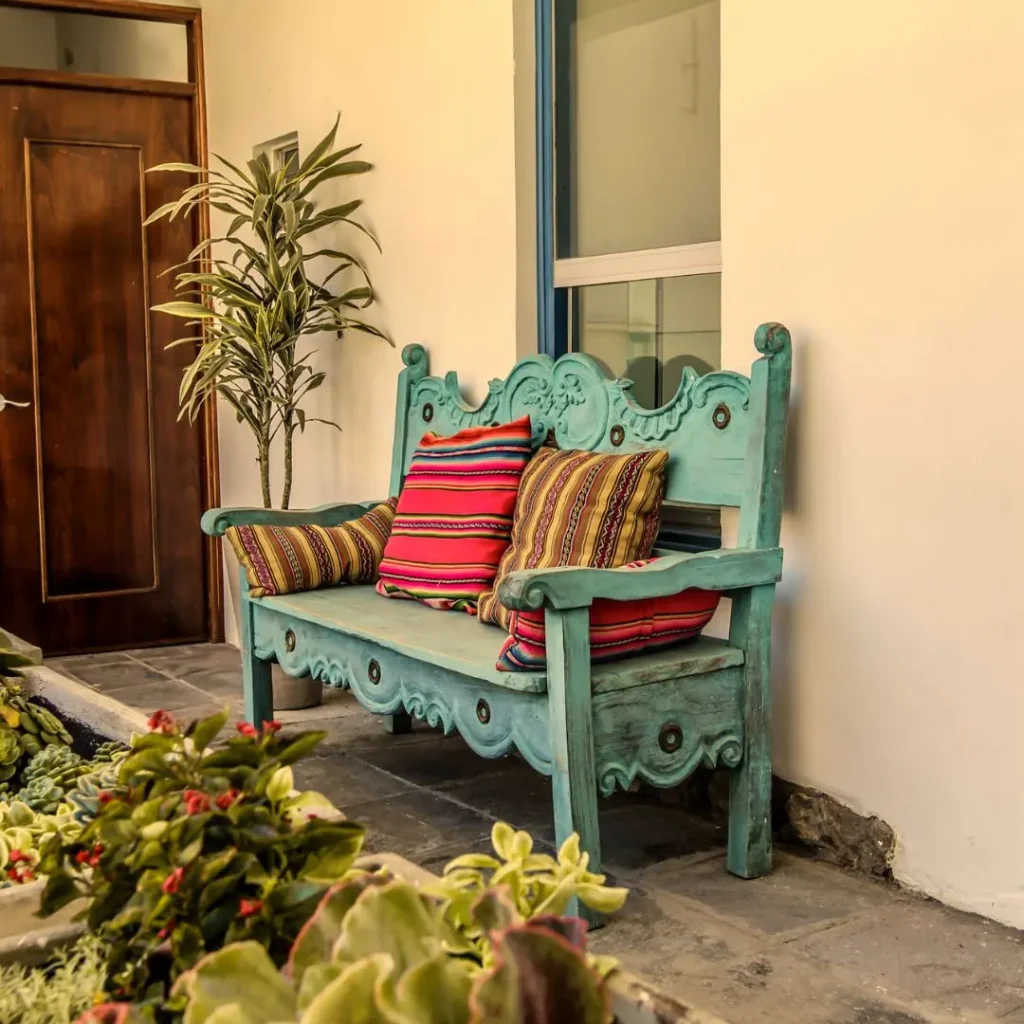
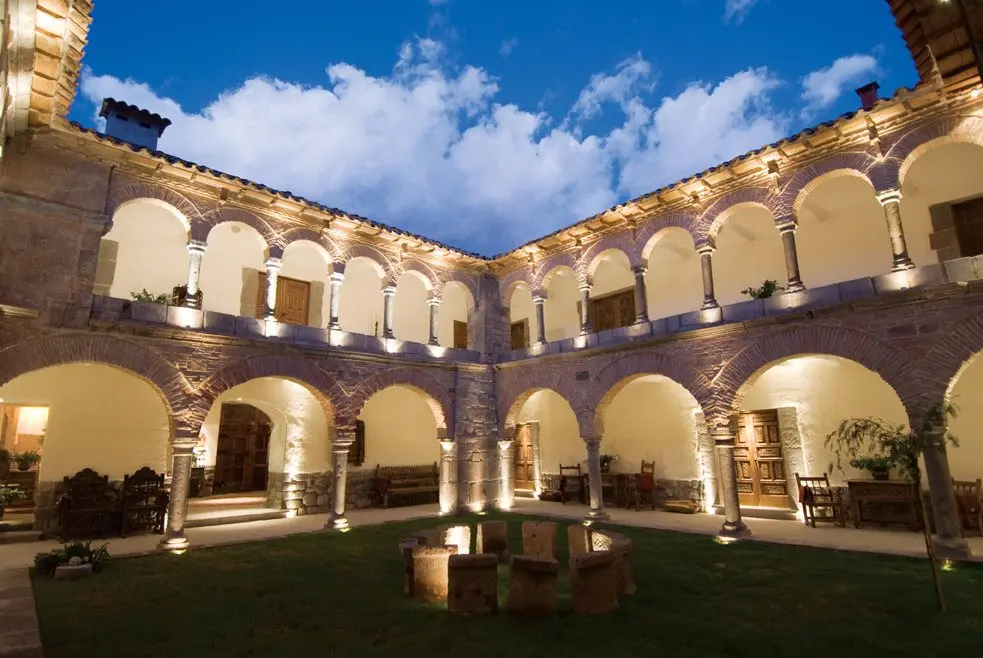
Cusco is Peru’s biggest tourist town, and all levels of accommodation are available. High-end travelers, backpackers, and everyone in between, will find accommodation suited to their standards. The area in and around Cusco has a few of the finest hotels in South America including the luxurious Monasterio as well as Machu Picchu’s incredible Sanctuary Lodge. Other than these exclusive options, more hotels exist in Cusco per square mile than anywhere else in Peru.
Likewise restaurants vary in class and price across the city and whether one wishes to spend over $50.00 on a white tablecloth four course meal, or simply spend a couple of dollars at a local Peruvian restaurant – there is something for everyone, and all the food tends to be good.

Getting Arround
Everything one needs in Cusco is generally within walking distance, most hotels are located around the central Plaza de Armas, and this makes getting around easy. Most tours provide return transport from your accommodation to all of the city’s attractions.
Cusco also has a number of taxis that provide cheap transport in and around the city. Like anywhere else however, one should keep an eye on one’s belongings while traveling on the city’s public transport.
Cusco también tiene una serie de taxis que ofrecen transporte barato dentro y alrededor de la ciudad. Sin embargo, como en cualquier otro lugar, uno debe vigilar sus pertenencias mientras viaja en el transporte público de la ciudad.
Search our blog for great tips and destination information